Small business loans for a dash of cash
Last updated:
When a one-person business needs a dash of cash for a mower, a cart or first inventory, a personal loan can fund it with one fixed payment.
On this page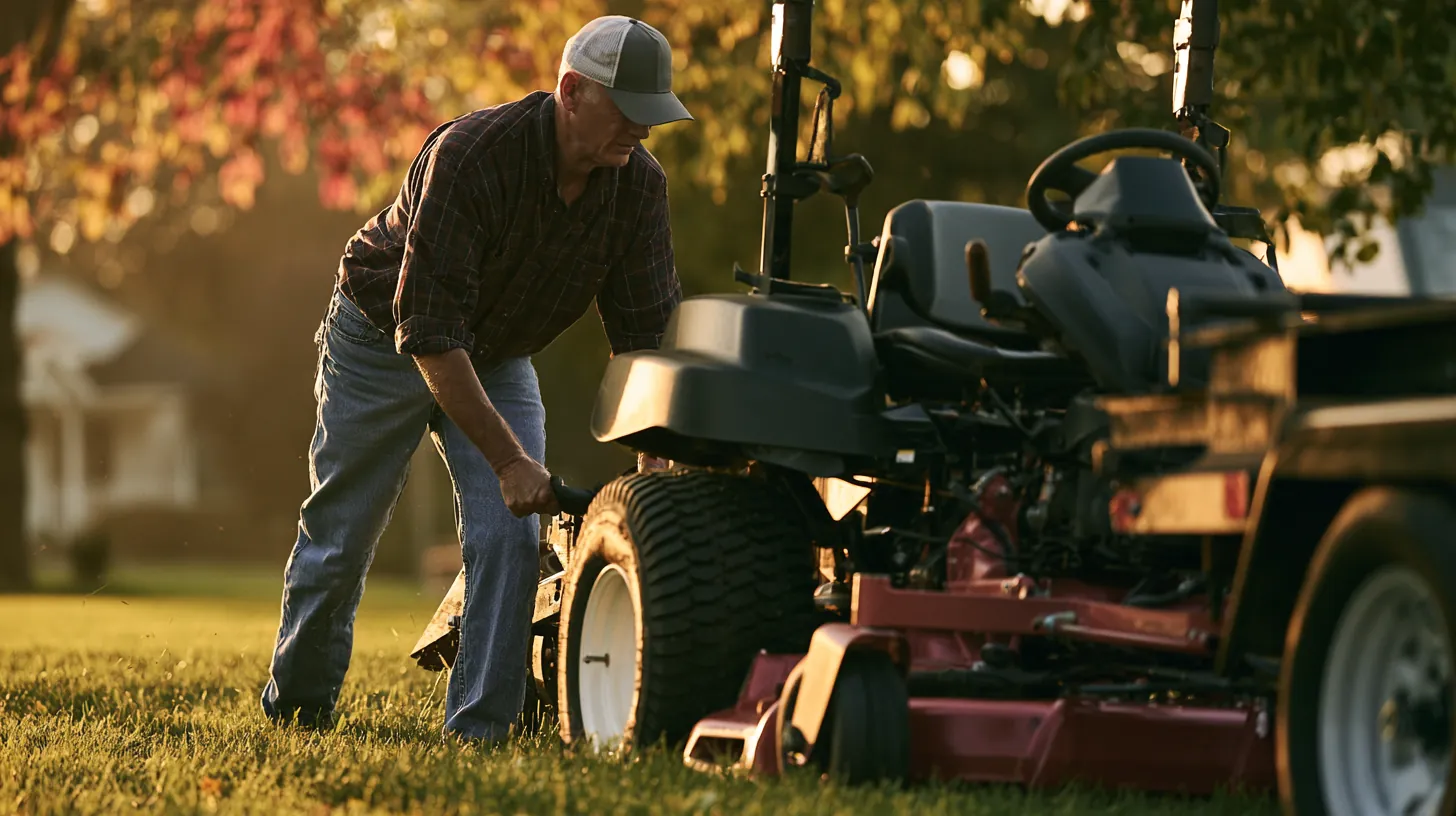
Using a personal loan for a one-person business
A personal loan can fund small purchases for a one-person or very small business, such as equipment, tools or starter inventory. The loan is in your name, based on your personal credit and income, and you repay it personally.
Many solo operators start with a side business run on evenings and weekends: lawn care, mobile detailing, a farmers market stand, pet sitting, a craft booth or a coffee cart. These businesses rarely need large sums. They need a specific tool or a first round of stock, and they need it before the season starts.
If you searched for a dash of cash because market season opens in three weeks and your tent gave out last fall, timing matters as much as price. Request early enough that the money arrives before the first event; some lenders fund as soon as the next business day, depending on the lender and your bank.
That is where a $500 to $5,000 installment loan can fit. It is not business financing in the formal sense: there is no business credit review, no business plan requirement and no commercial collateral. A lender reviews you as an individual, which is often simpler for someone just starting out.
The trade-off is personal responsibility. If the business has a slow month, the payment is still yours. Treat the loan as a personal obligation first and a business tool second, and borrow only what the business can realistically support.
Through our request form, lenders in our network that serve your state decide whether to make an offer and on what terms. Some lenders limit business use, so state your purpose honestly and read the agreement before you sign.
Small purchases this kind of loan can cover
Borrowing for a tiny business usually covers one-time purchases that help you earn more: a commercial mower, a trailer, a pressure washer, a market tent and cooler, a coffee cart, a sewing machine or starter inventory.

- Lawn and yard work: a riding or walk-behind mower, a trimmer, a leaf blower or a small utility trailer.
- Mobile services: a pressure washer, detailing supplies, a portable generator or a cargo rack.
- Food and market stands: a canopy tent, folding tables, a commercial-grade cooler, a cart or a scale.
- Makers and crafters: a sewing or embroidery machine, a kiln, a heat press or the first batch of materials.
- Service work: a laptop, a phone, a tablet card reader or software for booking and invoicing.
- Inventory: a starter supply of products to sell at markets, fairs or online.
The common thread is that each purchase is concrete and, ideally, helps bring in revenue. Making a repeated dash for cash to cover everyday business expenses month after month is a different situation, because it signals the business is not yet covering its own costs.
For a closer look at equipment specifically, our article on whether a personal loan can buy equipment for a small business covers new versus used gear, warranties and how to price a purchase before you borrow.
Running the numbers: will the purchase pay for itself?
A business purchase pays for itself when the extra income it brings, after supplies and fuel, is larger than the monthly loan payment. Estimate that margin honestly, including slow seasons, before you borrow.
Take a hypothetical lawn-care example. A $2,000 personal loan at 19.99% APR over 24 months is an estimated $101.78 a month. Suppose the new mower lets you take on additional yards that bring in $160 a month after fuel and maintenance during the growing season. That leaves an estimated $58.22 a month above the payment.
Now account for the off-season. If lawns go quiet for several months, the $101.78 payment does not. Setting aside part of the summer margin to cover winter payments, or choosing a term that ends before the next slow season, keeps the plan workable.
Write the margin down before you request a dash of cash for gear. List the extra jobs or sales you expect each month, subtract supplies, fuel and platform fees, and compare the result with the estimated payment. If the margin only works in the best month of the year, choose a smaller purchase or a longer term.
| APR | 12 months | 24 months | 36 months |
|---|---|---|---|
| 12.99% | $178.63 | $95.07 | $67.38 |
| 19.99% | $185.26 | $101.78 | $74.32 |
| 29.99% | $194.96 | $111.82 | $84.89 |
A shorter term costs less in total but needs a stronger monthly margin. At 19.99% APR, 12 months of $185.26 costs an estimated $223.12 in interest, while 36 months of $74.32 costs an estimated $675.52. See where offers currently fall on our personal loan rates page.
These are estimates, not offers. A lender sets your actual APR and term, terms vary by lender and state, and not every applicant is approved.
Personal loan or line of credit for a side business
A personal loan suits a single, known purchase with a fixed payoff date, while a line of credit suits ongoing, uneven costs you draw on as needed. For one piece of equipment, the loan's structure is usually simpler.
| Feature | Personal loan | Line of credit |
|---|---|---|
| How you receive money | One lump sum | Draw as needed up to a limit |
| Payment | Fixed monthly amount | Varies with the balance |
| Best for | One purchase with a known price | Recurring supplies or uneven cash flow |
| End date | Set when you sign | Often open-ended |
| Discipline required | Lower, since the balance only falls | Higher, since the balance can grow |
Our comparison of a line of credit or personal loan for a side business goes deeper on cost, credit impact and which owners each option suits. If you are weighing a dash of cash for a cart today and expect to restock every few weeks, you may end up using both.
Business credit cards are another option for small recurring purchases, but their revolving balances can grow quietly. A fixed-payment installment loan keeps one specific purchase on a clear schedule.
Sizing a dash of cash request for equipment or inventory
Size an equipment or inventory request to the actual price quote, plus tax and delivery, and pick a term that ends before the gear wears out or a slow season begins. Smaller, shorter loans leave the business less exposed.
Covers a market tent, a commercial cooler or starter inventory for weekend stands.
Most requested$1,500–$3,00012–24 moFits a pressure washer, a small trailer or the equipment for a coffee cart.
$3,000–$5,00024–36 moSuits a commercial mower or a fully outfitted vending cart for an established side business.
Used equipment can shrink the request considerably. A well-maintained used mower or cart from a retiring owner may cost far less than new, though you should check condition, hours of use and whether any warranty transfers.
People searching for a dash for cash to launch a side business sometimes borrow the full $5,000 to have a cushion. Unless you have a clear plan for each dollar, start smaller: a business that proves itself with a $1,000 setup can always grow later.
Compare at least two quotes for any piece of gear, and ask sellers whether they offer their own installment plan. A dealer promotion can occasionally beat a personal loan on total cost.
Keeping business and personal money separate
Keeping business and personal money separate makes it easier to see whether the purchase is paying off, to track the loan, and to keep clean records. A dedicated checking account for the business is the simplest first step.
Even though the loan is in your own name, the money spent and the income earned belong to the business side of your records. Mixing them in one account makes it hard to tell whether the business is profitable or whether household money is quietly covering it.
- Open a separate checking account used only for business income and expenses.
- Deposit the loan into your personal account, then move the purchase amount to the business account or pay the seller directly from it.
- Each month, transfer the loan payment amount from business earnings to the account that pays the loan.
- Keep receipts for the purchase and every loan statement in one folder.
- Review the business account monthly to see whether income covers the payment and supplies.
Tax treatment of business purchases and interest depends on your situation. This page offers general information only; a tax professional can explain what records to keep and how a purchase funded with borrowed money is handled for your business.
A clean split also protects your household budget. If someone looking for a dash of cash for a side business keeps everything in one account, rent money can drift into supplies without anyone noticing.
What lenders look at when income comes from self-employment
Lenders look at your personal income, debts, credit history and bank account. When some income comes from self-employment, they may ask for recent bank statements, tax returns or payment records to confirm it is steady.
A brand-new side business usually has no income history, so lenders lean on your main job or other regular income. Established side income can help once it shows up consistently in deposits or on a tax return. Lenders differ in how much self-employment income they count.
Timing your request can help. Someone planning a dash of cash purchase for next season may find it easier to show steady deposits after several months of consistent side income than in the first few weeks of the business.
- Main job pay stubs or benefit statements.
- Two or three months of bank statements showing business deposits.
- Recent tax returns if the business has run for a year or more.
- Payment platform summaries for card or app sales.
Our eligibility requirements guide explains debt-to-income and the other factors lenders weigh. Lenders in our network review a range of credit profiles, and some consider fair credit, though a lower score usually means a higher APR.
When a personal loan is the wrong tool for a business
A personal loan is the wrong tool when the business needs more than about $5,000, needs money for ongoing payroll or rent, or cannot yet cover a fixed monthly payment from its own earnings.
- Larger needs such as a storefront, a vehicle fleet or hiring staff call for business-specific financing reviewed on the business's own records.
- Covering recurring costs with a loan delays the question of whether the business is profitable.
- Untested ideas carry more risk; consider a small trial first, funded from savings if possible.
- Partnerships can complicate a loan that is legally only in one person's name.
Loans in your own name work best for the smallest stage of a business: one owner, one purchase, one clear payoff date. Comparing dash of cash options for that kind of need is reasonable. Stretching a personal loan to cover a bigger operation shifts business risk onto your household.
If you are unsure, start with the smallest purchase that tests the idea. A $500 personal loan at 19.99% over 6 months is an estimated $88.26 a month, which lets you learn whether customers show up before committing to a larger dash of cash loan.
Questions people ask
Will every lender allow loan funds to be used for a business purchase?
No. Some lenders permit small business uses and others restrict them. State your purpose honestly on the request, and read the loan agreement for any limits on how the money may be used.
Do I need an LLC or a business license to send a request?
No. A personal loan is based on your personal information, not on a business entity. Local licensing or registration rules for your business are a separate matter to check with your city or county.
Can side income from a brand-new business help me qualify?
Usually not at first. Lenders generally want to see income arriving consistently over time, so a new side business may not count yet. Your main job or other regular income typically carries the request.
Is buying used equipment a better idea than new?
Often, if the condition is good. Used gear can shrink the loan and the payment, but check hours of use, maintenance records and whether any warranty transfers before you commit.
Explore other loan types & amounts
Loan types
Loan amounts
Ready to see what lenders can offer?
One short request, no fee to use our service and no obligation to accept an offer.